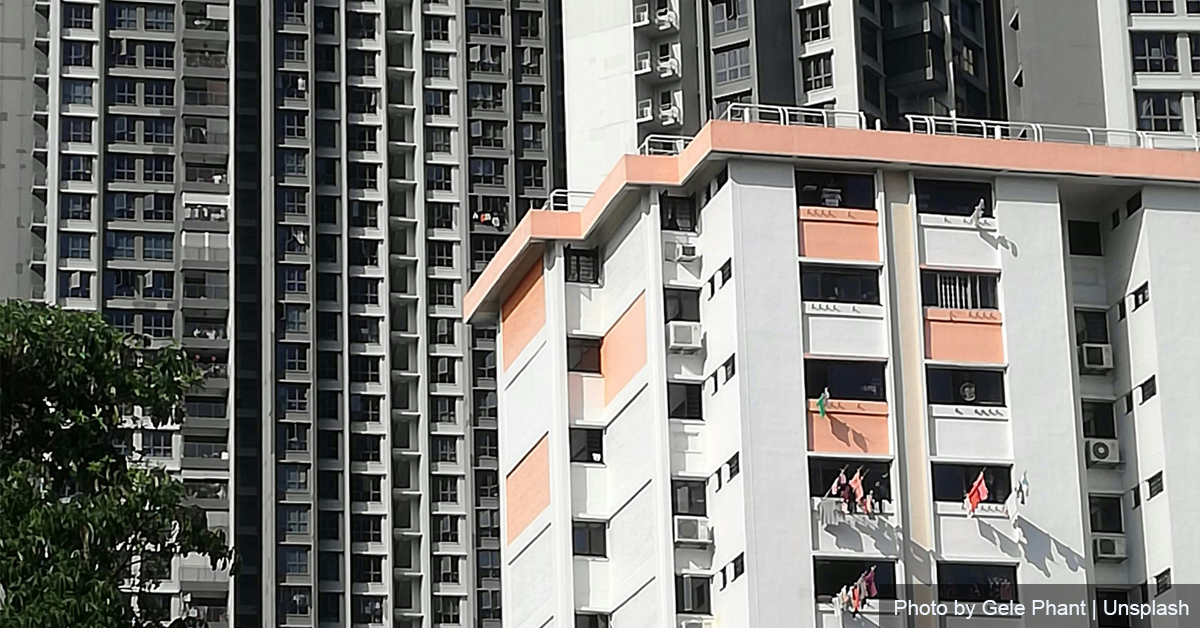
The Singapore government’s national deliberation exercise called Forward Singapore aimed to refresh the social compact between state and society. Within this discourse, the realm of public housing was of great interest as housing is a key pillar of that social contract — not only for the 80 per cent of the resident population who own and live in it — but for succeeding generations of Singaporeans who will look to the government of the day to provide this basic need.
Through it, Singapore has not only successfully achieved near universal homeownership but has also provided a sense of citizenship, an accessible means of investment for many, and a source of security for the retirement years. However, there are concerns about the affordability of new and resale flats for young couples, whether the public housing market feeds socio-economic inequality, and if making flats accessible to the next generation of Singaporeans will undermine the longer-term value of existing homes that current generations depend on for their retirement.
This paper provides a language through which to deliberate the principles that undergird public housing policy, and the costs of privileging one important national objective or one segment of citizens over another that public housing must serve as the country looks to its future.
Downloads