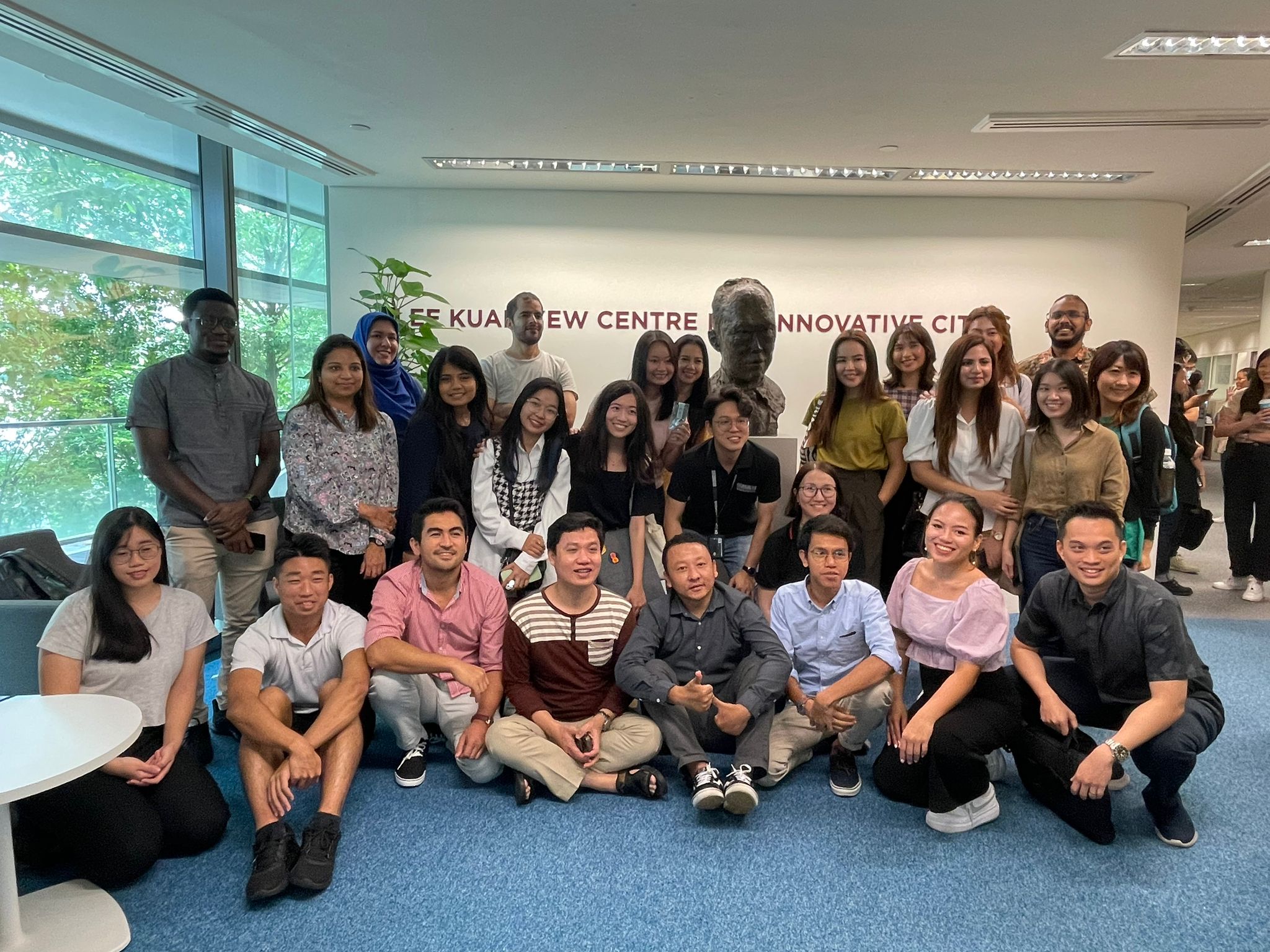
On February 24, 2023, the Lee Kuan Yew School of Public Policy, led by Prof. Sreeja Nair and the MPP Juniors class committee, together with the Lee Kuan Yew Centre for Innovative Cities (LKYCIC) of the Singapore University of Technology and Design (SUTD) co-organised an enriching interactive session on Urban Sustainability and Resilience.
The LKYCIC is a research institute at SUTD that deals with city issues through technology, design, and policy. LKYCIC heads the Master in Urban Science, Policy and Planning (MUSPP) programme which trains researchers, analysts, and practitioners to develop novel solutions to urban challenges such as sustainable mobility, inclusive urban growth, and new modes of governance.
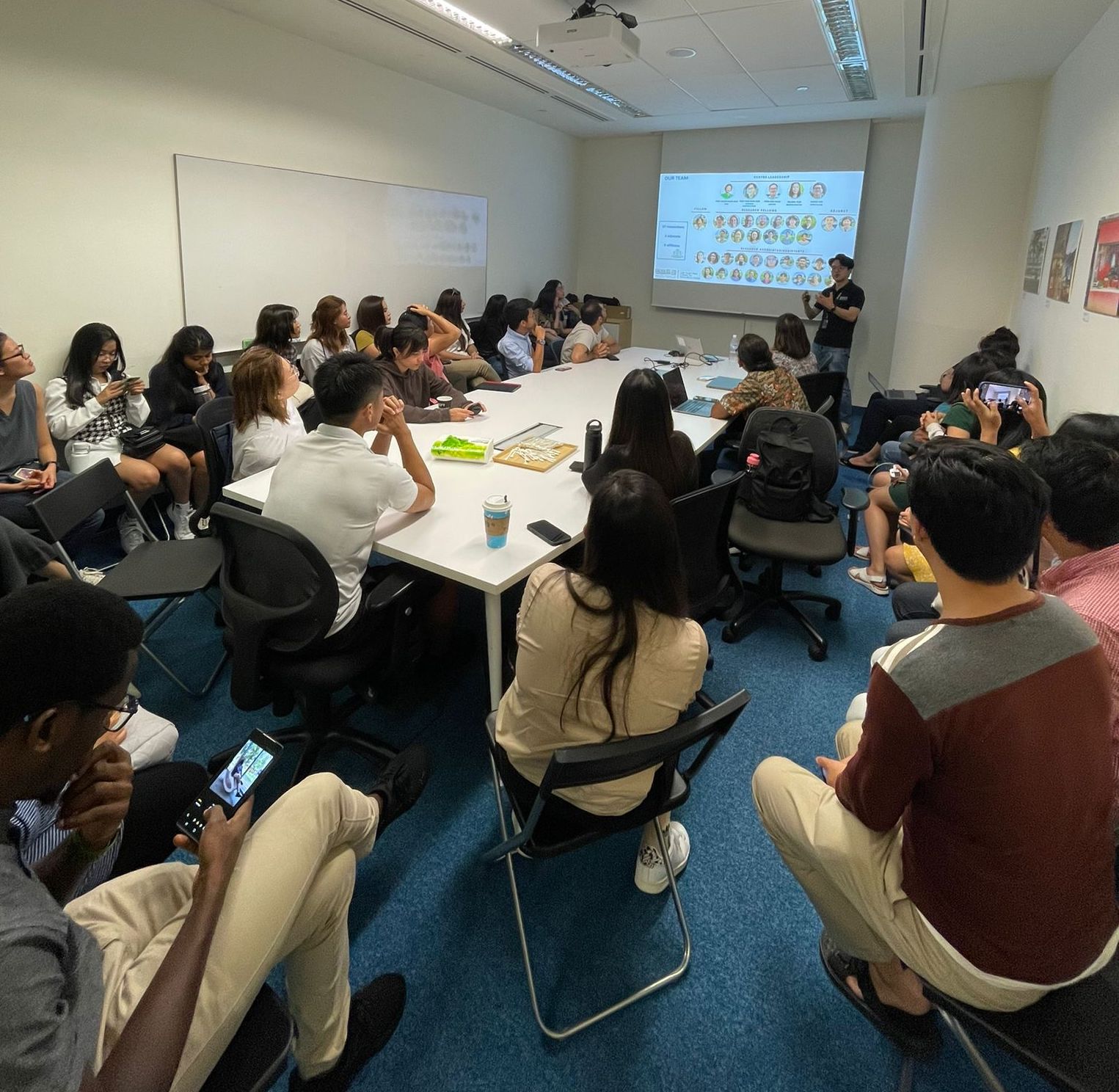
The activity was a follow-up to the first session initiated by Prof. Sreeja Nair and Prof. Samuel Chng (SUTD) on November 15, 2022, where MUSPP students got a chance to visit the NUS-Bukit Timah campus. This time, it was LKYSPP students’ turn to see the SUTD campus in Changi to explore the nexus of public policy and urban design.
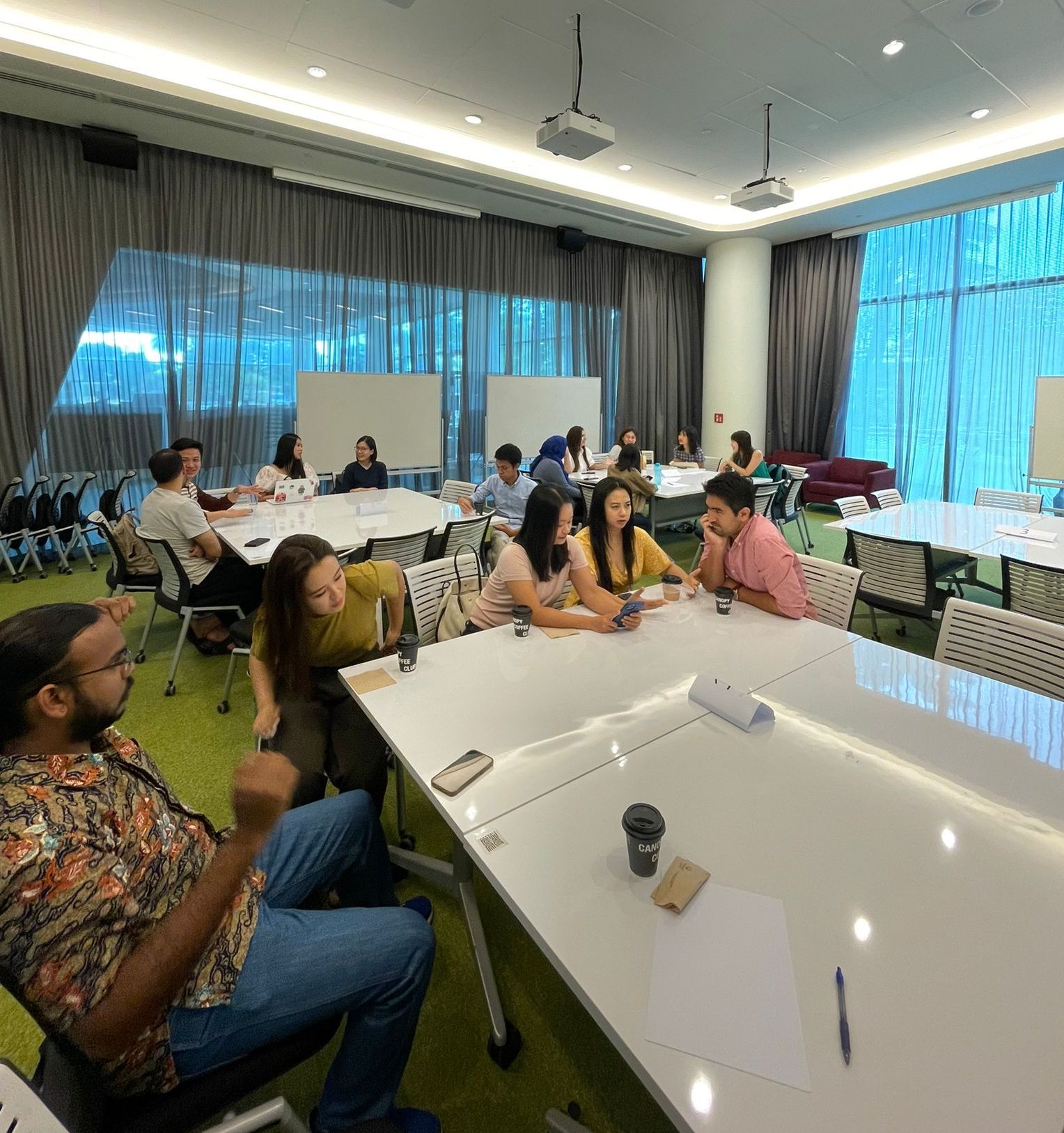
Through a world café-style* activity led by Prof. Nair and LKYCIC research fellow and NUS-MPP alumna, Prof. Assel Mussagulova, around 50 MUSPP/MPP/MPA students shared ideas and learned from one another about how to apply the policy cycle to an urban policy problem. Together, the group had to create an inclusive urban climate resilience and sustainability plan for a hypothetical coastal city by contending with questions on the vulnerable members of the population, key stakeholders involved in formulating a plan, and identifying opportunities and challenges in making the plan more inclusive.
The group surmised that vulnerable sectors in the context of urban resilience can be classified under those with difficulties in physical, social, and economic mobility. Students identified the main challenges to be: balancing the competing needs of these sectors, operational and capacity issues to support changing demographics, and the potential lack of technical expertise to support policy planning on the ground.
Aside from grappling with an urban policy problem, students also got a chance to learn more about SUTD’s 3D food printing lab and how it might shape the future. This project is a cross-disciplinary undertaking by SUTD’s Faculty of Science and LKYCIC to understand the technology's policy implications, which can customise food design, personalise nutrition for special needs, and impact food sustainability, waste, and upcycling.
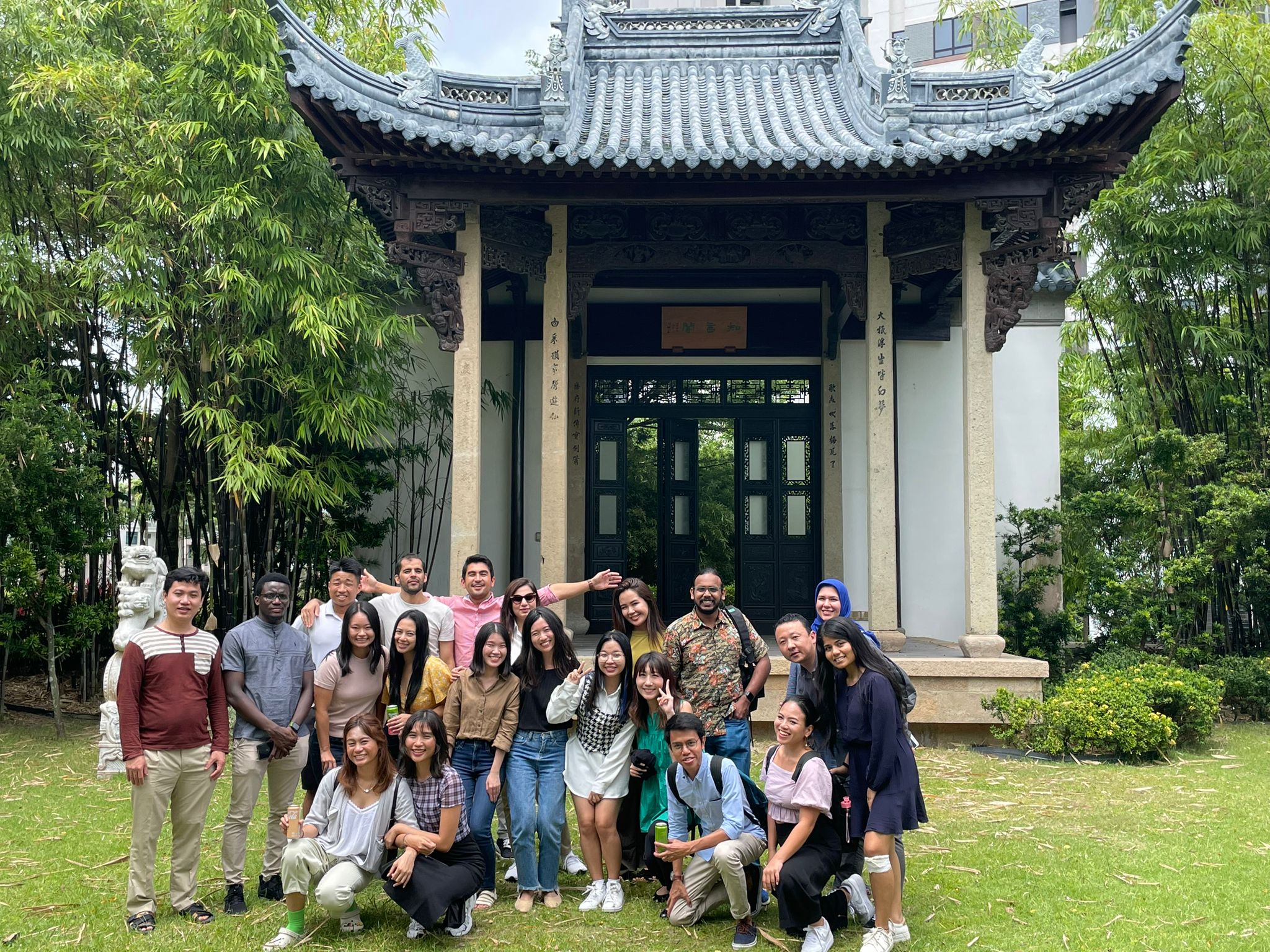
This experiential learning has demonstrated how SUTD's culture of openness and fostering collaboration across disciplines can be an effective approach to tackling complex 21st-century problems and designing innovative solutions. One of the key takeaways from LKYSPP students is that exposure to new ideas from thinkers operating from a different framework can help enrich how we view policy problems, giving us both a more nuanced and holistic perspective.
Overall, it was a fruitful day of networking, sharing and exchanging ideas, and exploring new frontiers for urban and public policy issues.
--
*The World Cafe is a method that makes use of an informal cafe setting for participants to explore an issue by discussing it in small table groups. Discussion is held in multiple rounds of 20-30 minutes, with the cafe ambiance intended to allow for more relaxed and open conversations.