 Over the summer, I had the opportunity of interning at a non-profit organization called Fields of View (FoV) in Bangalore, India. FoV aims to make public policies more relevant to the lives of the people affected by it. The organization believes that policymaking should be more responsive, constantly adapting to the changing socio-economic and environmental contexts. The research Fov undertakes operates at the intersection of technology, social sciences and art to design tools for policymakers towards these objectives.
They accomplish this by conducting games and workshops, where people interact with each other and one is able to observe qualitative data like preferences, biases and opinions play out. This data is then used to develop simulations that, along with quantitative data, can act as tools towards accessible policymaking.
During my internship, I was involved in a project that focused on urban local governance in Bangalore, India. As a team, we designed a research study and conducted first hand research on the field to understand how Ward Committees were functioning across the 198 wards in Bangalore. The study focused mainly on observing the functionality of these Ward Committees, through the lens of Solid Waste Management. We used the Court Order that mandated the constitution and working of the Committees to guide us in determining the gaps, if any, in the planning and implementation of these urban local bodies.
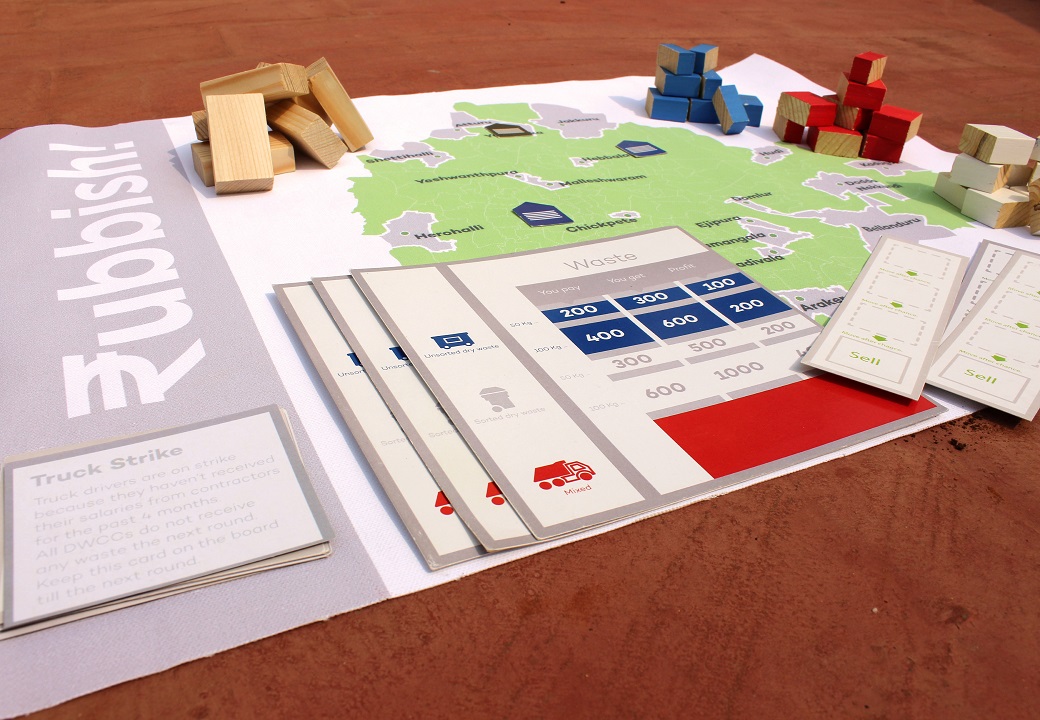
Apart from the research, I also had the opportunity of being part of several game sessions conducted by FoV. Cantor’s World, an online game, has been designed for students and policymakers to learn how the Inclusive Wealth Index (used to measure nation’s development, as per UN report released at Rio+20 Summit in 2012) complements other indices such as GDP and Human Development Index. In the game, players can experiment with different policy choices and experience the first-hand tug-of-war between short-term results and long-term sustainability.
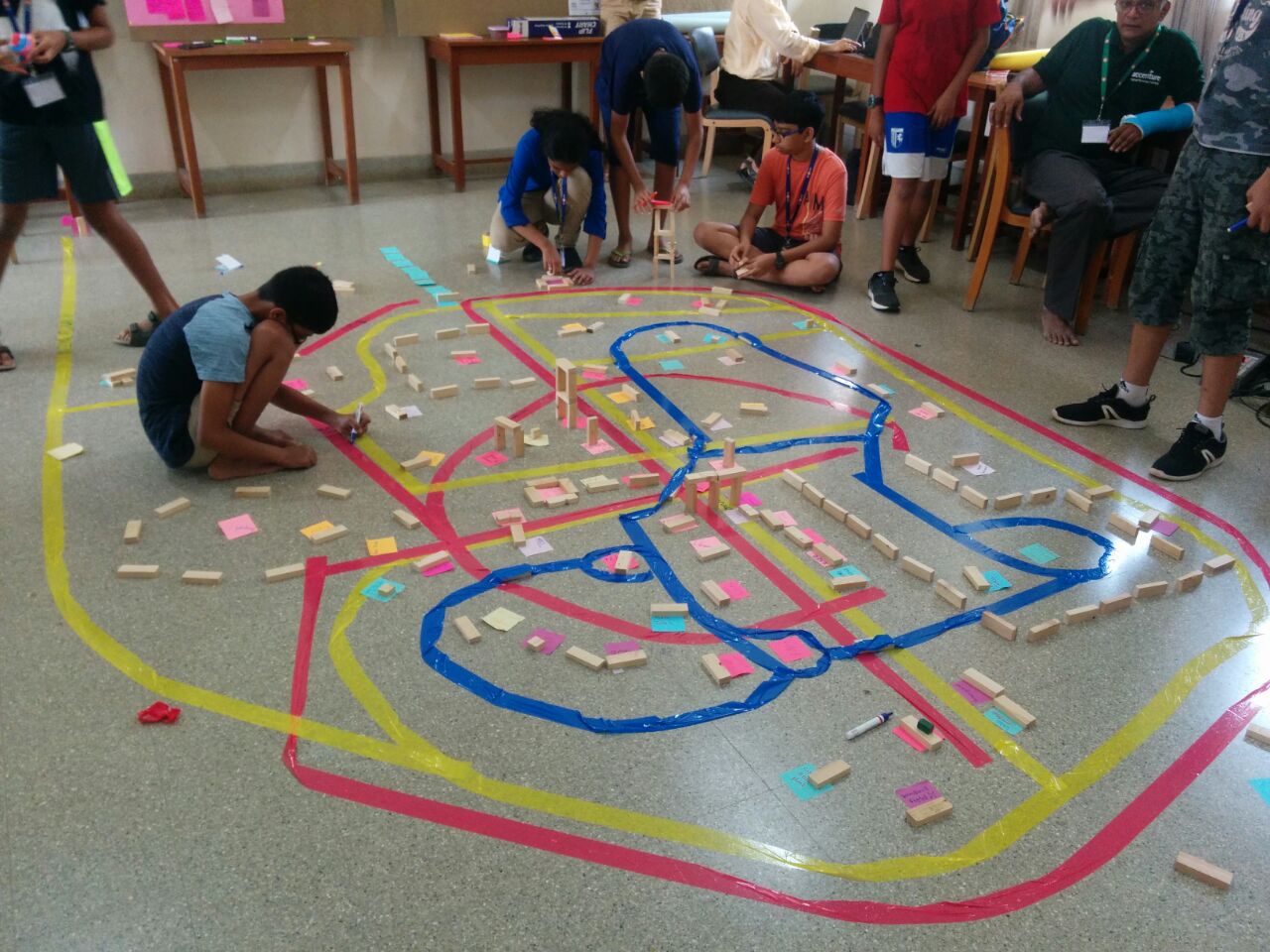
Over the course of my internship, I understood how gamification allows policymakers to test theories and conduct virtual pilots without actually spending time and resources on ideas that may not work out in the real world. Policymaking cannot have a one-size fits all approach, and definitely cannot operate in a binary system. Delving deep into the gray areas and figuring out how to make this process rapid and responsive is a crucial step towards development.