NUS LKY
Season 2 Episode 4
The Future of Sustainability
Share:
Tackling climate change and commitment to sustainability is the need of the hour. However, how viable are the ongoing efforts by the various stakeholders – governments, private sector, NGOs, civic society – to achieve them? Where have we succeeded in creating a real change and where likely are we to fall short? How can we work together in our respective capacities to achieve a sustainable future? Now is the time to urgently take learnings from the past to shape a more regenerative future.
Join us as we hear more from our panellists on the future of sustainability and what can we do now to create a future where the needs of both people and planet can be advanced.
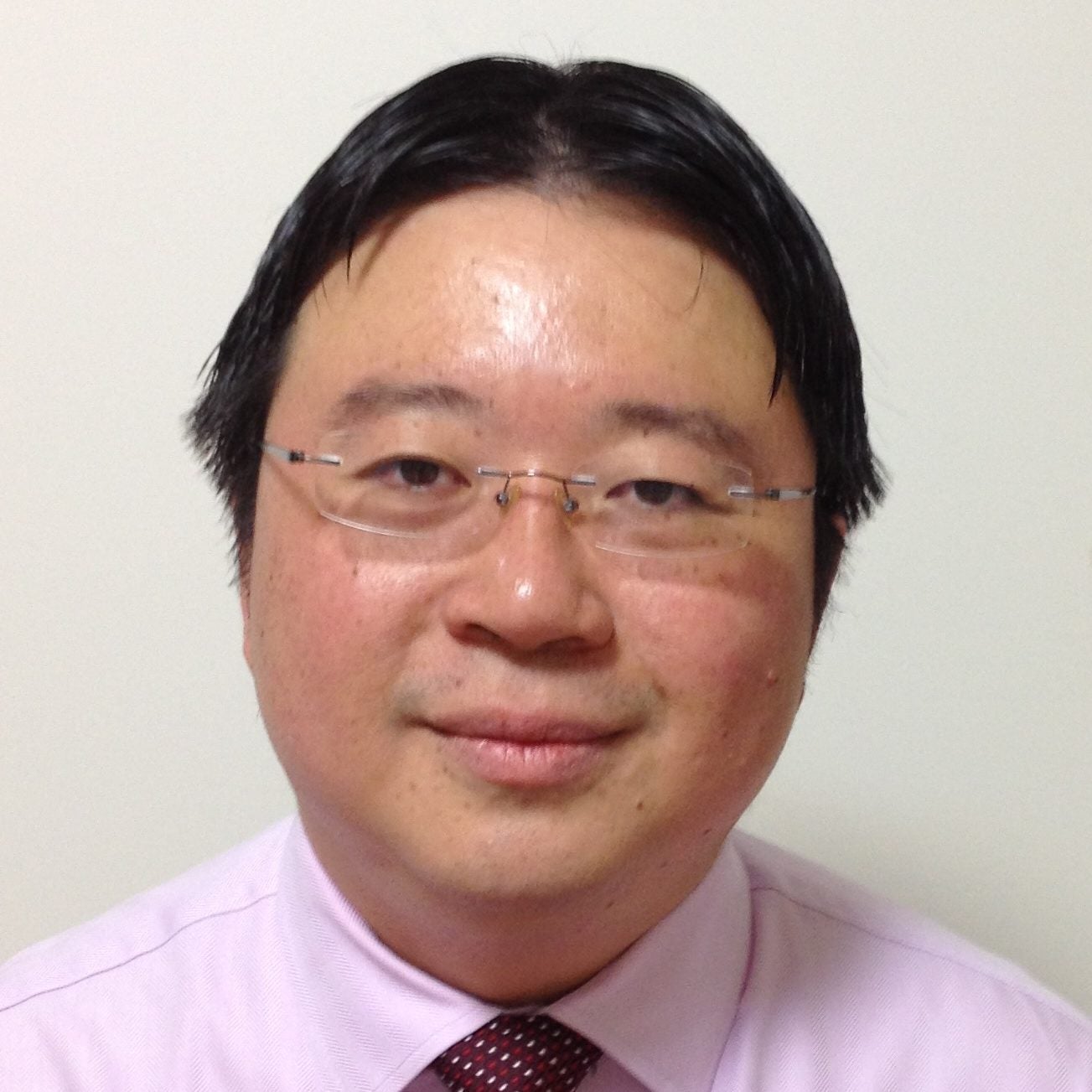
Benedict Chia
Director (Strategic Issues), National Climate Change Secretariat, Prime Minister’s Office, Singapore
Benedict Chia is Director (Strategic Issues) from the National Climate Change Secretariat in the Prime Minister’s Office, Singapore. He is responsible for economic research, the development of low carbon technologies and futures work. Prior to that, he has served in the Ministry of Finance, the Ministry of Trade and Industry, as well as the Ministry of Environment and Water Resources.
About organisation: The National Climate Change Secretariat (NCCS) was established on 1 July 2010 under the Prime Minister’s Office (PMO) to develop and implement Singapore’s domestic and international policies and strategies to tackle climate change. NCCS is part of the Strategy Group which supports the Prime Minister and his Cabinet to establish priorities and strengthen strategic alignment across Government. The inclusion of NCCS enhances strategy-making and planning on vital issues that span multiple Government ministries and agencies.
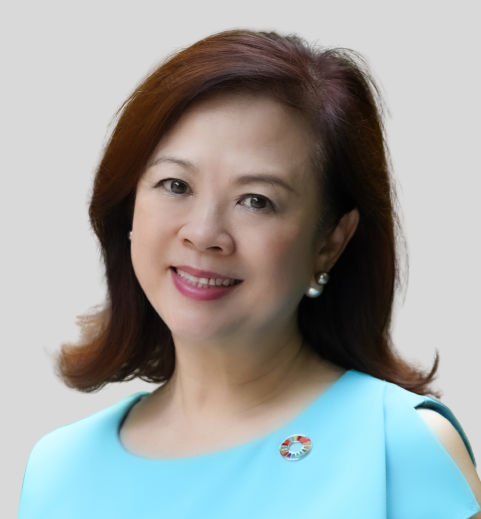
Esther An
Chief Sustainability Officer, City Developments Limited (CDL), Singapore
An active advocate for green building and sustainability for over two decades, Esther has been instrumental in establishing CDL’s global leadership in sustainability since 1995. Ranked top real estate company on the 2021 and 2022 Global 100 Most Sustainable Corporations in the World, CDL was the first Singapore company to publish a dedicated sustainability report in 2008 and issued a green bond in 2017. It became the first real estate company in SE Asia to pledge for World Green Building Net Zero carbon building commitment in February 2021.
She was conferred the 2018 SDG Pioneer for Green Infrastructure and A Low Carbon Economy by the UN Global Compact for her advocacy of UN SDGs. An UNGC Caring for Climate network signatory, she sits on the boards or advisory platforms of leading organizations including World Green Building Council, Global Reporting Initiative, UN PRI Real Estate Advisory Committee, UN ESCAP Sustainable Business Network Executive Council, Urban Land Institute Sustainability Product Council, GRESB Foundation, Asia Pacific Real Assets Association, and Singapore Institute of Directors’ ESG Committee.
About Organisation:
City Developments Limited (CDL) is a leading global real estate company with a network spanning 104 locations in 29 countries and regions.

Nor Lastrina Hamid
Co-founder, Singapore Youth for Climate Action, Singapore
Having organised community events and working with youths and volunteer groups the past 10 years, Nor Lastrina Hamid has built an interest in climate issues and how people respond to climate impacts. In 2015, Lastrina co-founded Singapore Youth for Climate Action (SYCA) to engage youths in climate action or environment-related volunteerism https://syca.sg/ Her list of futures-related engagements previously included:
- Jan 2020: Panel Speaker in the Institute of Policy Studies (IPS) annual flagship conference Singapore Perspective, in the second panel: New Forms and Movement
- Aug 2021: Panel Speaker in the IPS Reimagining Singapore Forum on Sustainability and Liveability
- Sep 2021: Participant in the IPS Reimagining Singapore Workshop on Non-Traditional Threats to Human Security
About Organisation: SYCA’s mission is to meaningfully engage youths in climate action or environment-related volunteerism. Our promise is to provide climate change-related volunteering opportunities to youths in Singapore that can promote climate awareness, climate action, and environment-related volunteerism in Singapore.

Farah Sanwari
Executive Education Singapore Futures Fellow, Lee Kuan Yew School of Public Policy, Singapore
Farah H. Sanwari is a social innovation leader with a keen interest in sustainable development and learning communities. She is currently a Partnership Catalyst for SpudnikLab, a frugal innovation company addressing the needs of marginalised communities. She was formerly the Executive Director of Sustainable Living Lab (SL2), a social innovation lab that develops innovative solutions for organizations and communities for a sustainable future.
Farah uses her experience and expertise in social innovation and entrepreneurship, systems design as well as futures thinking to tackle complex systemic issues through tri-sector collaboration and innovation. Facilitating a futuring process excites her most; she facilitated in civil-society-led Future Fridays, worked with the government of Brunei in developing their Future of Work strategy and ran a multi-stakeholder workshop on the Future of Waste Management with The Incubation Network, a global network tackling the issue of waste in South and Southeast Asia.
Aside from her work in the sustainability field, Farah also volunteers for FiTree, a Muslim environmental advocacy group that she co-founded in 2014. Farah’s service in the environmental and sustainability field has earned her the Eco Friend Award 2019 by the National Environment Agency of Singapore and she currently sits on the panel of advisors for the National Youth Council – Ministry of Sustainability and Environment Youth Circle.
About Organisation: At Lee Kuan Yew School of Public Policy Executive Education, we empower leaders with the skills to thrive in a complex, fast changing world. Our programmes encourage critical reflection, impact valuable knowledge about the governance and policy making, and create opportunities for learning across departmental boundaries and intellectual disciplines. The diverse and international faculty helps to equip individuals and organisations with multiple perspectives to make sense of the complexity they face. By integrating theory and practice, we help them achieve a deeper understanding of how they can be more effective managers, leaders and changemakers.
Incubated at the Executive Education department, the Executive Education Singapore Future (EESF) seeks to strengthen engagements with the Singapore public service, and build on its existing futures thinking and scenario planning capacity to enhance our executive programmes and consulting projects. EESF serves a key node for equipping Singaporeans on key governance challenges of the future, through capability development and community engagements. EESF also endeavours to amplify the School’s thought leadership on Singapore’s emerging strategic issues, and expand the network of futures and policy practitioners in Singapore and beyond.
Or follow us on