NUS LKY
Season 2 Episode 7
The Future of Geopolitics
Share:
Geopolitics has many dimensions and its impact is pervasive. The current challenges are here to stay and the resolution to many of the key issues require different frames of perspectives. The need to anticipate beyond the crisis and the tragedy and look at the opportunities and the outcomes that we want to reach. This will allow us to work towards solutions. This panel drawing from diverse perspectives from diplomacy practitioners who will share their thoughts on the future of geopolitics in the region, what is driving those changes and look at possible outcomes and resolution mechanisms.
Useful Links
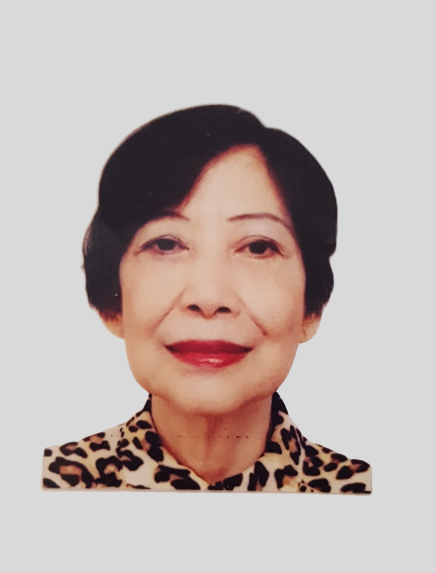
Ambassador Marilyn Alarilla
Senior Fellow, Philippine Public Safety College
Ambassador Marilyn Alarilla (retired) was the Philippine Ambassador to Turkey with concurrent jurisdiction over Georgia and Azerbaijan (2011 to 2013) and to Laos (2009 to 2011). She was posted at the Philippine Embassies in Jakarta, Paris, Tokyo and Bern.
She was also the Assistant Secretary of the Office of ASEAN Affairs, DFA in 2008.
Ambassador Alarilla completed her Master’s in Diplomatic Studies at the Centre d’Etudes Diplomatiques et Stratégiques (Paris), Master’s in Public Administration at the University of the Philippines (UP) College of Public Administration and Master’s in Business Management at the Asian Institute of Management (AIM).
She is currently a Guest Lecturer-Consultant for the Diplomacy and International Affairs Program at the De La Salle – College of St. Benilde and an Adjunct Professor at the Silliman University.
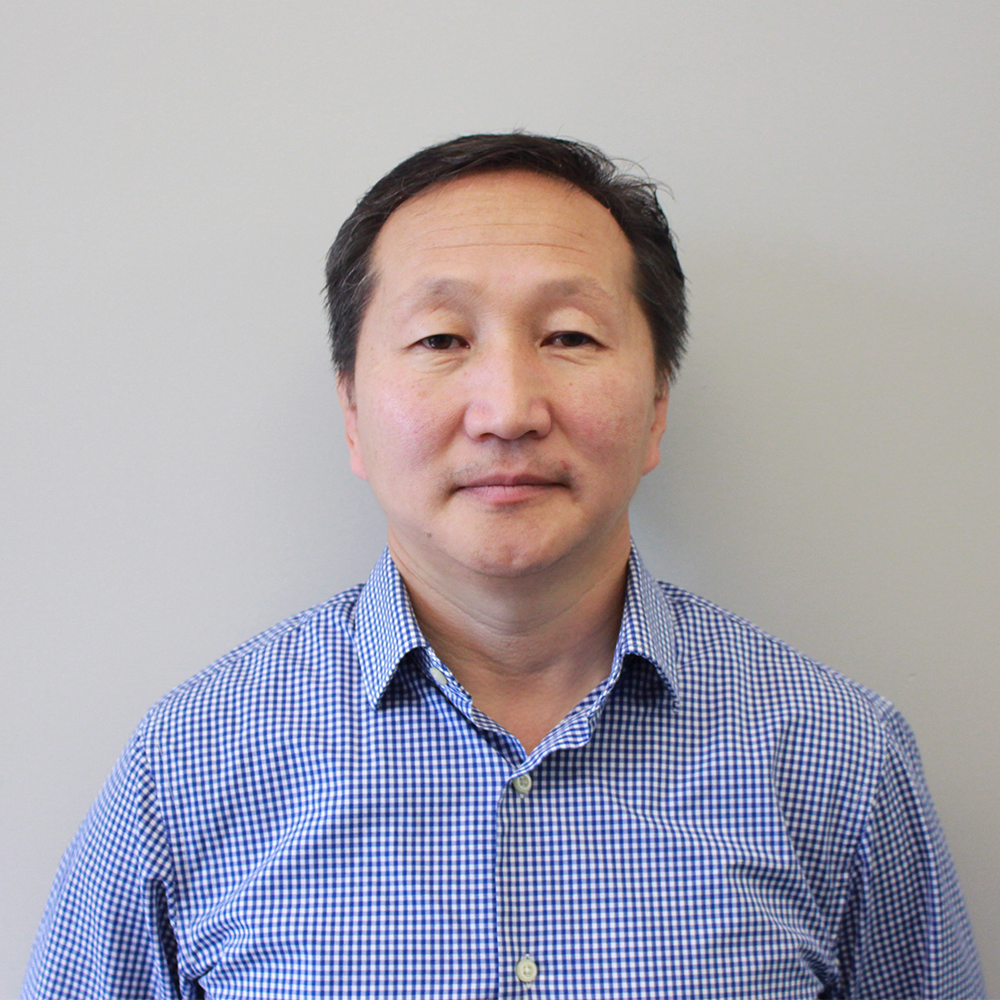
Dr Mendee Jargalsaikhan
Deputy Director and Dean, Institute for Strategic Studies of Mongolia
Jargalsaikhan Mendee is a Deputy Director and Dean of the Institute for Strategic Studies of Mongolia. His research interests are Belt and Road Initiative (BRI), international security (geopolitics, peacekeeping), impacts of extractive industry on security, politics, and economy of Central and Inner Asia.
He has defended his PhD in political science at the University of British Columbia. His dissertation examines the political development of Mongolia and Kyrgyzstan in 1985-2010.
He has written MA theses on anti-Chinese sentiments in Mongolia and Mongolian civil-society. The first thesis (Anti-Chinese attitudes in post-communist Mongolia: the lingering negative schemas of the past) argues that anti-Chinese sentiment in post-communist Mongolia as consequence of the state institutionalization of the anti-Chinese attitudes during the Sino-Soviet tension. The latter (Civil society in a non-Western setting: Mongolian civil society) contends the Mongolian civil society remains vulnerable to the exploitation of political and business interest groups.
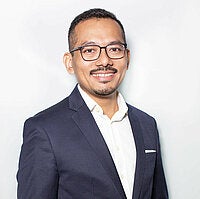
Dinkim Sailo
Senior Programme Manager, International Affairs at the Friedrich Ebert Stiftung Office for Regional Cooperation in Asia
Dinkim Sailo is Senior Programme Manager, International Affairs at the Friedrich Ebert Stiftung Office for Regional Cooperation in Asia. In this role he coordinates the regional project ‘The New Geopolitics of Asia and Global Order of Tomorrow’.
He is passionate about cross sectoral change making, having worked at the intersection of policy, business and civil society. He is Co-Editor of the book, ‘Connecting India to ASEAN: Opportunities and Challenges in India’s Northeast’.
Or follow us on